
As we get older, it’s no surprise that our blood pressure tends to climb.
You may have noticed your doctor bringing up your heart health more often as you age.
This is due to the natural stiffening of blood vessels over time, which forces your heart to work harder to push blood through them.
This increase in blood pressure over the years can ultimately lead to a higher risk of heart disease.
However, researchers have recently discovered a simple, natural solution that could drastically reduce your heart disease risk.
It’s not a new medication or an expensive treatment, but rather a daily cup of a common and affordable food that can be found in your local supermarket.
The secret? Leafy green vegetables.
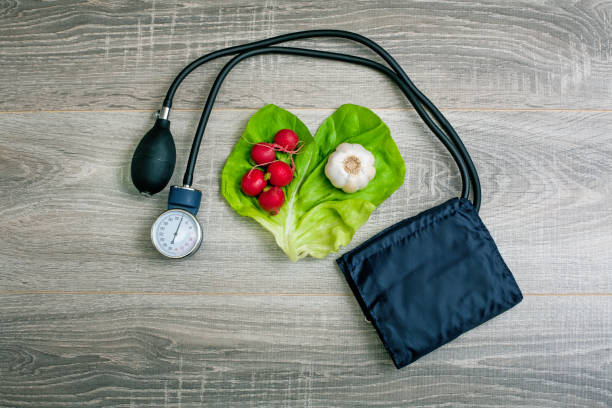
Eating greens could be one of the easiest and most effective ways to support your heart health.
Despite this, many people still don’t eat enough vegetables, particularly the green, leafy kind, which could be putting their heart health at risk.
You may be surprised to learn that green leafy vegetables, along with beets, contain a molecule that has been linked to lowering blood pressure and reducing heart disease risk.
A recent study published in the European Journal of Epidemiology found that eating just one cup of raw leafy greens per day can lower the chances of developing heart disease by up to 26 percent.
The research team conducted a deep dive into the medical records of over 50,000 people in Denmark and tracked their health and dietary habits for over 23 years.
Their findings were eye-opening.
The first key discovery was that eating nitrate-rich vegetables led to a 2.5-point drop in systolic blood pressure.
While this might seem like a small reduction, the impact on your heart health is significant.
A reduction of just 2.5 points in blood pressure can make a big difference in reducing your long-term heart disease risk.
The second important discovery from the study was that the participants who ate the most leafy greens had a much lower risk of heart disease later in life.
Those who consumed nitrate-rich vegetables had a 12 to 26 percent lower chance of being diagnosed with heart disease.
So what exactly are nitrate-rich foods?
Spinach, broccoli, bok choy, lettuce, cabbage, kale, and, of course, beets are all great sources of this heart-healthy nutrient.
If you’re not a fan of eating plain leafy greens, there are plenty of ways to incorporate them into your meals.
You can easily blend fresh greens into sauces or soups.
Toss them into a sandwich or hamburger, or add a handful to a smoothie for an extra health boost without altering the taste.
The bottom line is this: By eating more greens, you can take an important step in improving your heart health.
A small change in your diet could have a huge impact on reducing your blood pressure and lowering your chances of heart disease.If you’re looking for more information about how diet can affect heart health, check out this article from the Mayo Clinic and this study published in the European Journal of Epidemiology.