
If you’ve struggled with depression, or have seen a loved one battle with it, you understand how overwhelming it can feel.
There are days when even the simplest tasks, like seeing family, going to the store, or just getting out of bed, can seem impossible.
The lack of motivation and persistent sadness can take over every part of your life.
One of the most discouraging aspects of dealing with depression is that traditional antidepressant drugs often don’t provide the relief we expect.
In fact, they can sometimes make things worse.
But here’s the good news: you don’t need those dangerous medications to overcome depression.
What you need is a gut-check.
Yes, it may sound strange, but depression can actually start in your gut.
Recent research has uncovered a fascinating connection between your gut health and your mental health.
A study published in British Medical Journal Nutrition Prevention and Health reviewed several studies conducted between 2000 and 2019.
The findings were significant—both probiotics and prebiotics can dramatically improve symptoms of depression.
This research is particularly important because about seven percent of adults in the United States experience at least one depressive episode every year.
That means many people could benefit from improving their gut health rather than relying on antidepressants that don’t address the root cause of the issue.
There are many factors that contribute to depression, including your unique biological makeup, genetics, environment, and nutrition.
But one factor that is often overlooked by doctors is inflammation.
Most medical professionals don’t acknowledge that inflammation can play a major role in depression.
When your body experiences chronic inflammation, it damages delicate brain tissue and can lead to mood disturbances.
An out-of-balance gut sends inflammation levels through the roof, making depression even more likely.
We’ve known for a long time about the connection between the brain and the digestive system, known as the “gut-brain axis.”
This connection is responsible for many aspects of your health, including your emotional well-being.
The research reviewed in the study found that improving gut health can directly impact mental health.
The relationship between the gut and brain is so interconnected that it’s difficult to separate the two.
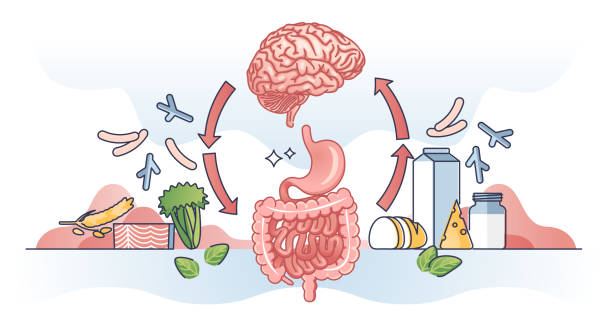
What’s even more interesting is that different strains of probiotics were shown to improve depression symptoms.
The study specifically highlighted strains of Lactobacillus and Bifidobacteria.
These beneficial bacteria were all shown to help improve depressive symptoms.
However, not every strain had the same effect. For example, L. plantarum 299v, found in fermented foods like kimchi, did not impact depression but did improve cognition.
So, if you’re looking to boost your emotional health, both prebiotics and probiotics could be powerful tools in your toolbox.
Probiotics are microorganisms that live in your digestive system, and they play a key role in maintaining gut health.
You can find probiotics in foods like yogurt and other fermented foods, or take them in supplement form.
Prebiotics, on the other hand, are specialized fibers that act as food for the healthy bacteria in your gut.
One such prebiotic fiber, called inulin, is found in foods like leeks, artichokes, and onions.
Adding these foods to your diet could have a profound impact on your mental health, offering an alternative to antidepressants.
By focusing on your gut health, you can support both your physical and emotional well-being.
For more information on the link between gut health and depression, check out these sources: British Medical Journal Nutrition Prevention and Health and Healthline article.