
You’ve probably heard the advice to drink plenty of milk for strong bones, but what if I told you that might not be enough?
In fact, no other animal on Earth consumes as much calcium as humans do, yet our bones are still among the weakest in the animal kingdom.
Why is that?
Recent research reveals that the real cause of bone loss has nothing to do with calcium.
Instead, maintaining healthy bones depends on getting the right nutrients—and there’s one key nutrient that many people are missing.
If you’re not getting enough of it, you could be significantly increasing your risk of fractures.
If you’ve spoken to your doctor, they might tell you that the research doesn’t support the use of vitamin D for bone health.
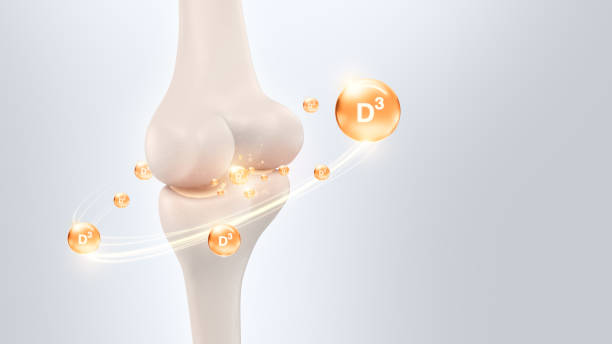
However, 75 percent of people don’t get enough vitamin D, which is a huge health concern.
A recent study published in the Clinical Rheumatology journal looked at several studies and concluded that a combination of vitamin D and calcium can significantly reduce fractures.
This is especially important as we age because breaking a bone can be a major risk to your health.
While it might sound dramatic, it’s true that older adults who break a bone often experience a sharp decline in their overall health and longevity.
The reason for this is that healing takes longer as we age, and being immobile in bed for long periods can cause muscle loss.
Muscle mass is critical for living a long and healthy life.
But let’s not stop with just vitamin D and calcium—there are other essential nutrients that play a role in bone health.
Protein is another crucial element that many people overlook.
It’s not just any protein, but specifically collagen that helps build strong bones.
Collagen is difficult to get through diet alone, so many people find it helpful to take a collagen supplement.
Additionally, vitamin C is essential because it works with protein to create the collagen matrix that supports bone structure.
While vitamin D is vital for strong bones, another often-forgotten nutrient is vitamin K.
Vitamin K plays a significant role in bone health by helping with bone mineralization.
However, if you’re on blood thinners, be sure to check with your doctor before increasing your vitamin K intake.
Several minerals are also essential for strong bones, including magnesium, boron, and chromium.
These minerals work together to support bone density and overall health.
Another important aspect of maintaining healthy bones is exercise.
Not only does it help your muscles grow stronger, but it also stimulates bone growth.
To build strong bones, you need to stay active.
Walking and running are two of the best exercises for bone health, as they put just the right amount of pressure on your bones to promote growth.
Taking these steps to support your bones can significantly reduce your risk of fractures and improve your overall health.
Make sure you’re getting the right combination of nutrients and exercise to maintain strong, healthy bones as you age.
For more information on bone health and how to prevent fractures, check out these sources: National Institutes of Health and American Bone Health.