
As we grow older, the food choices we make can play an increasingly important role in our health, energy, and longevity.
And while fats and proteins often dominate nutrition headlines, a new long-term study from Tufts University and Harvard University is shifting the spotlight back onto carbohydrates—specifically, their quality.
Not all carbs are created equal.
That’s not just a popular diet phrase—it’s now a conclusion supported by decades of nutritional data and scientific analysis.
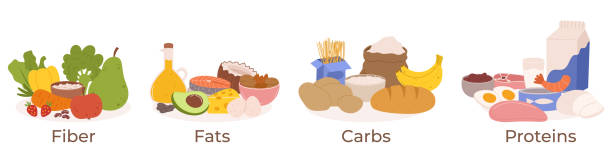
Researchers categorized carbs into two groups: high-quality sources like whole grains, fruits, vegetables, and legumes, and lower-quality options such as refined grains, added sugars, and starchy vegetables like peeled potatoes.
The results showed a compelling pattern.
Women who regularly consumed high-quality carbs were up to 37 percent more likely to age without major chronic illnesses or cognitive decline.
On the other hand, those with higher intake of low-quality carbs saw a 13 percent reduction in the likelihood of healthy aging.
This matters not just on an individual level, but nationally.
The number of adults over 65 in the U.S. is projected to nearly double by 2060, placing more demand on an already strained healthcare system.
Identifying sustainable, evidence-based strategies for healthy aging is critical—and carb quality is emerging as a surprisingly impactful lever.
Part of the problem with poor-quality carbohydrates is their tendency to spike blood sugar and promote inflammation over time.
Refined carbs and sugars are often stripped of fiber and essential nutrients, and when combined with high salt and unhealthy cooking methods like deep frying, their impact on cardiovascular and metabolic health worsens.
By contrast, whole carbs retain their natural fiber and phytonutrients, helping to moderate digestion, stabilize energy, and support gut health.
Fiber, in particular, plays a key role in regulating blood sugar and maintaining digestive efficiency, which becomes even more important with age.
The takeaway is not that all carbs are bad, but that the type and source of carbohydrate matters more as we age.
A whole-food approach that prioritizes slow-digesting carbs can not only reduce the risk of chronic illness, but also support mental clarity, mobility, and immune resilience well into later life.
For those navigating midlife or beyond, upgrading your carb sources may be one of the simplest and most effective shifts you can make.
Next time you fill your plate, consider swapping white rice for quinoa, sugary snacks for berries, or white bread for sprouted whole grain.
These small changes may feel subtle, but over time, they help build a stronger foundation for aging well.
A longer life is only valuable if we can live it with energy, clarity, and independence.
Choosing better carbs today is one way to help make that future possible.