
Welcome to Your Beginner’s Guide to Weight Training
If you’ve ever felt overwhelmed by the thought of weight training or assumed it was only for bodybuilders or fitness influencers, you’re not alone.
But here’s the truth: weight training is for everyone — and it’s never too late to start.
Whether you’re aiming to build lean muscle, improve your health, or simply feel stronger and more confident in your daily life, resistance training is one of the most effective tools you can use.
Research continues to support the physical and mental benefits of strength training, especially as we age.
According to Harvard Health, regular weight training can help maintain bone density, reduce the risk of osteoporosis, and even alleviate symptoms of depression and anxiety.
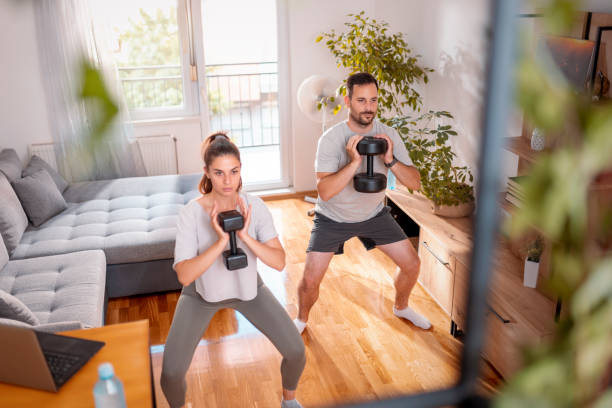
One of the best things about starting a weight training routine is that you don’t need fancy equipment or a gym membership.
Simple exercises like squats, lunges, pushups, and bicep curls can be done using your own body weight or with basic gear like dumbbells, resistance bands, or kettlebells.
That said, learning the proper form is essential — not just to avoid injury, but to make your workouts as effective as possible.
If you’re new, consider scheduling a session with a certified personal trainer, many of whom offer affordable virtual consultations.
This guidance early on can help you set realistic goals, prevent bad habits, and ensure your plan is tailored to your fitness level.
Before each session, a five-minute warmup — brisk walking, jumping jacks, or rope skipping — primes your muscles and reduces injury risk.
When lifting, start with a weight you can lift 10 to 15 times with good form.
A basic strength workout might include 1 to 2 sets of full-body movements such as squats, rows, shoulder presses, and lunges.
Progress gradually by adding more reps, more sets, or slightly increasing the weight.
Equally important is recovery time.
Allowing at least 48 hours between training the same muscle groups lets your body rebuild and grow stronger.
Safety remains key.
Keep your core engaged during exercises.
Breathe steadily — exhale as you lift, inhale as you lower.
And don’t forget to cool down and stretch afterward.
This will not only support flexibility but also reduce muscle soreness and improve recovery time.
You may wonder if at-home training is as effective as going to the gym.
The answer is yes, especially when you stay consistent and challenge yourself over time.
A study from the British Journal of Sports Medicine showed that resistance exercises performed at home can significantly improve strength and endurance, particularly when using proper progression and full-body routines.
Ultimately, the most important step is starting.
You don’t need to master every exercise on day one, and you certainly don’t need to be perfect.
But by showing up with intention, listening to your body, and building a routine that works for your life, you’ll begin to notice the difference — not just in how you look, but in how you feel.
Remember: strength doesn’t start in your muscles.
It starts with the decision to begin.
Stay consistent, stay safe, and trust that each session brings you one step closer to your goals.
Your future self will thank you.