
The food you choose each day has the power to influence your long-term health.
While no single ingredient can guarantee cancer prevention, certain foods contain compounds that support your body’s natural defenses and may reduce your overall risk.
By weaving these ingredients into your meals, you can create a diet that is both nourishing and protective.
One refreshing way to begin is with Greek yogurt berry popsicles.
Mixed berries, whether fresh or frozen, are rich in antioxidants and phytochemicals that have been linked to reduced cancer risk.
Research has shown that blueberries, strawberries, and raspberries may help prevent oxidative stress, which plays a role in cancer development.
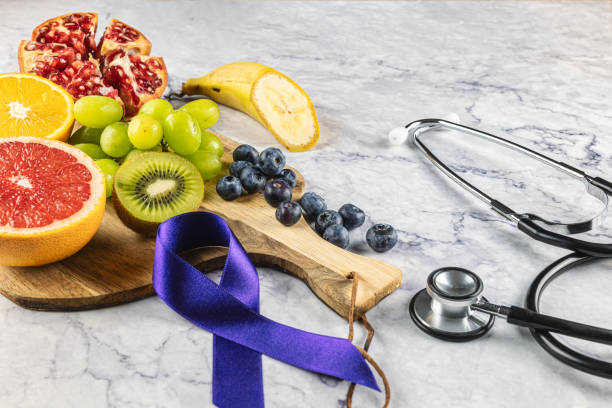
If you prefer a heartier start, a blueberry walnut cottage cheese bowl combines two nutrient powerhouses.
Blueberries deliver concentrated antioxidants, while walnuts are a strong source of omega-3 fatty acids.
A study published in Nutrition and Cancer found that regular walnut consumption may influence tumor growth in certain cancers, particularly breast cancer
This dish offers an easy way to support your body with natural compounds while enjoying a satisfying, protein-rich snack.
Moving into savory territory, a kale, peach, and tempeh salad highlights the cancer-fighting potential of leafy greens and soy-based foods.
Kale is featured by the American Institute for Cancer Research in its list of “Foods That Fight Cancer” thanks to its fiber, carotenoids, and flavonoids.
Tempeh, a fermented soy product, has also gained attention as research evolves on the protective role of plant-based proteins.
Adding peaches keeps the dish light and refreshing while providing valuable vitamins and low natural sugar.
For a warm, nutrient-dense option, try a sweet potato and spinach bowl.
Spinach contains folate and fiber, both of which are associated with reduced risk of colorectal and other cancers.
Sweet potatoes, particularly purple varieties, are rich in anthocyanins—the same antioxidant found in berries.
While beta-carotene, which gives orange sweet potatoes their color, has not consistently shown benefits in cancer prevention, anthocyanins continue to be studied for their potential protective role.
Another powerful option is one-pan salmon with roasted vegetables and quinoa.
Salmon delivers healthy omega-3 fatty acids, which may help reduce the risk of colorectal cancer.
Quinoa, a versatile whole grain, provides fiber and plant-based protein, both of which are essential for digestive and metabolic health.
Pairing salmon with colorful roasted vegetables ensures a balanced meal filled with vitamins, minerals, and protective plant compounds.
Finally, for a portable snack, a nut and seed mix can provide long-lasting energy while supporting a cancer-preventive diet.
Almonds, pumpkin seeds, and sunflower seeds are excellent sources of antioxidants and healthy fats.
A handful each day is enough to deliver benefits without overloading on calories.
These foods appear in the American Cancer Society’s recommendations for building a balanced, plant-forward diet that supports long-term health.
The takeaway is simple yet powerful.
Preventing cancer begins with your lifestyle, and diet is one of the most accessible tools at your disposal.
Berries, leafy greens, nuts, and healthy fats all contribute to a body better equipped to defend itself.
Eating these foods regularly cannot guarantee that you will remain cancer-free, nor can they treat existing cancer, but they can be part of a balanced, lifelong plan for wellness.
Incorporating these recipes into your weekly routine is less about restriction and more about abundance—the abundance of colors, flavors, and nutrients that nature provides.
By choosing meals that nourish and protect, you are making an investment in your future health and vitality.