
Beans and legumes often take a backseat in the average American diet.
They’re starting to get the attention they deserve.
A new report from the United States Department of Agriculture’s advisory committee recommends increasing the weekly intake of beans and lentils to at least 2.5 cups.
This suggestion isn’t just about adding variety.
It’s part of a push to prioritize plant-based proteins over red and processed meats in dietary guidelines.
For the first time, beans, peas, and lentils are being highlighted as primary protein sources.
Nuts, seeds, and soy products follow suit.
Meats, poultry, and seafood are taking a lower spot in the recommendations.
This shift reflects growing awareness of the nutritional power of beans.
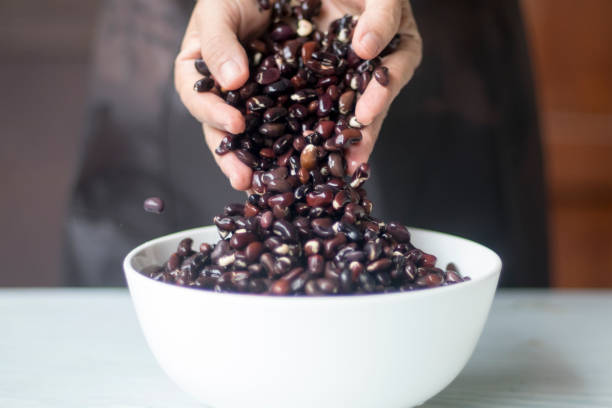
Yet, most Americans are still far from meeting even the current goal of 1.5 cups per week.
Beans and legumes offer a wide range of health benefits that make them worth including in your meals.
They are packed with protein, fiber, folate, and antioxidants.
Each of these nutrients contributes to better overall health.
Fiber is essential for good digestion and weight management.
Antioxidants like polyphenols have anti-inflammatory properties.
These properties may reduce the risk of heart disease and certain cancers.
Beans also contain soluble fiber, which helps lower LDL cholesterol levels.
This type of fiber also supports blood sugar management.
Their resistant starch acts as a prebiotic.
This prebiotic promotes a diverse and healthy gut microbiome.
From an affordability standpoint, beans are often more budget-friendly than animal protein.
This makes them a practical choice for many households.
When it comes to which beans to eat, there’s no need to limit yourself.
Red lentils, black beans, chickpeas, and kidney beans all have unique nutritional profiles.
Choosing a variety not only keeps meals interesting.
It also ensures you benefit from the different nutrients each type provides.
Adding beans and lentils to your meals is easier than you might think.
Chickpeas can be tossed into salads, soups, or roasted for a crunchy snack.
Kidney beans work well in chili or cold salads.
Black beans can be paired with rice or used as a meat substitute in pasta sauces.
White beans are versatile too.
They can be sautéed with garlic and olive oil or tossed into pasta dishes with vegetables.
Even hummus, made from blended chickpeas, is a simple and delicious way to incorporate beans into your routine.
If cooking beans from scratch feels daunting, canned options are convenient.
Canned beans are just as nutritious as dried beans.
Choosing low-sodium brands can help keep your meals healthy.
For those who may struggle with the digestive effects of beans, it’s okay to adjust your diet.
Beans aren’t for everyone.
It’s important to listen to your body.
The benefits of beans and lentils are worth exploring.
They’re just one piece of a balanced diet.
Experiment with different varieties and recipes to find what works best for you.
Incorporating these powerful plant-based foods can improve your health.
They can also bring a new dimension of flavor and nutrition to your meals.