
Have you ever struggled to follow a conversation in a noisy restaurant?
Do you find yourself frequently asking, “What?” during family gatherings or group events?
Many people dismiss these challenges as a normal part of aging, but recent research reveals they may be more significant than they seem.
A groundbreaking study has uncovered a link between difficulty hearing in noisy places and an increased risk of developing dementia.
This large-scale study followed over 80,000 adults aged 60 and older for more than a decade.
What the researchers found was startling.
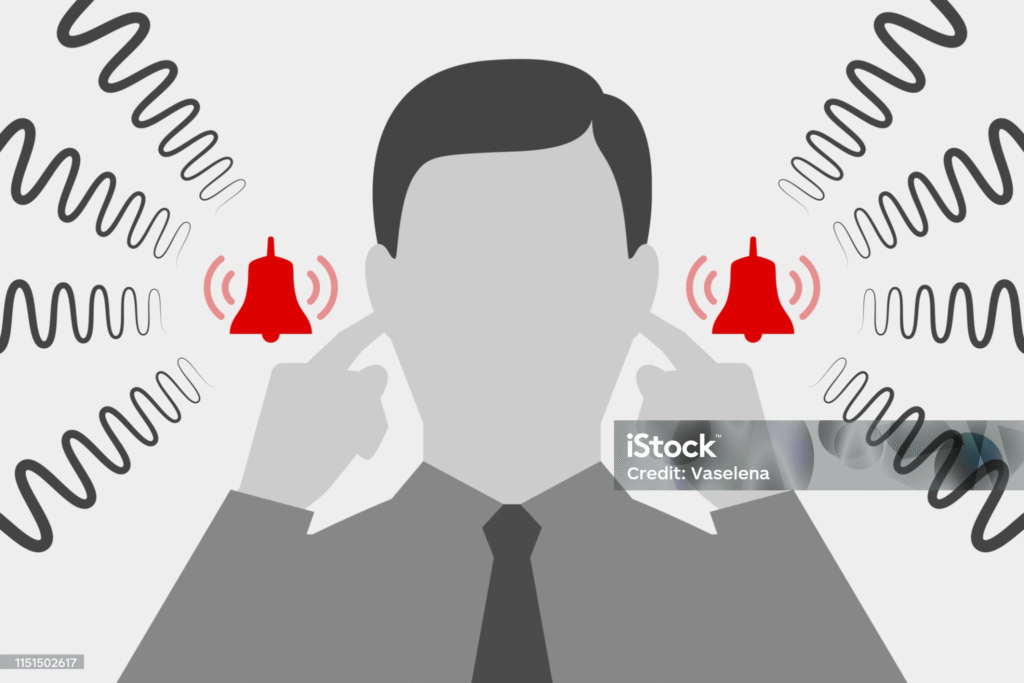
Trouble hearing speech in noisy environments emerged as one of the strongest predictors of dementia risk.
Even more concerning, many participants were unaware they had hearing difficulties.
In fact, about half of those who failed a speech-in-noise hearing test believed their hearing was perfectly fine.
This means it’s possible to experience hearing challenges without realizing it, putting brain health at risk without warning.
The findings, published in the journal Alzheimer’s & Dementia, revealed that hearing issues ranked among the most significant risk factors for dementia.
This was true even when compared to other well-known risks like genetics, age, and high blood pressure.
Hearing was not just an issue of inconvenience—it was a matter of brain health.
Scientists suggest several reasons why hearing loss could lead to cognitive decline.
When your hearing is impaired, your brain has to work harder to interpret sounds, leaving less capacity for other functions.
Difficulty hearing often leads to social isolation, which has been linked to a higher risk of dementia.
Hearing loss may also cause the brain to rewire itself in ways that negatively affect cognitive abilities.
The good news is that hearing is a risk factor you can address.
Early identification of hearing challenges is key to protecting both hearing and brain health.
It is important to pay attention to signs that your hearing may not be as sharp as it once was.
You might notice difficulty following conversations in crowded spaces or asking people to repeat themselves more often than before.
Understanding masked voices may have become harder, or you could be turning up the volume on the television more frequently.
While these signs are useful to watch for, it’s also critical to recognize that personal judgment about hearing can be unreliable.
Many people in the study with significant hearing issues believed their hearing was fine, underscoring the importance of proactive screening.
If you are over 50, hearing tests should become a routine part of your healthcare, just like an annual physical or an eye exam.
Taking early action could play a crucial role in preserving cognitive health as you age.
Don’t wait for noticeable difficulties to emerge.
Your brain health may depend on catching subtle changes early and addressing them.
Hearing well is more than a convenience—it’s an essential part of maintaining overall health and well-being.
I love your product i will order on the please don’t forget me
Thanks
Thanks for your product
Hi Patricia,
Thank you so much for your kind comment! We’re glad to hear you’re enjoying your Aquasculpt experience!
It means a lot to us when customers take the time to share their results and positivity. If you ever have questions, need tips, or just want to share more about your journey, we’re always here to support you.
Feel free to reach out anytime at support@getaquasculpt.com or give us a call at 1-877-607-7721.
Thanks again for being part of the Aquasculpt community!
Warm regards,
Sahara
Aquasculpt Support Team
19655 E 35th Dr #100
Aurora, CO 80011, USA