
Muscle is often associated with sculpted arms, chiseled abs, or aesthetic goals, but its true value goes far deeper than appearance.
When viewed through the lens of long-term health, muscle emerges as one of the most important protective assets your body can build and maintain.
Unlike fat, which stores energy, muscle is metabolically active tissue.
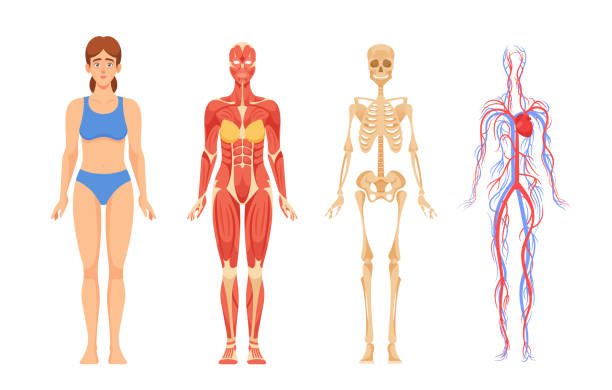
It acts as a glucose regulator, helping your body manage blood sugar and insulin sensitivity more effectively.
Beyond metabolism, muscle is also closely connected to brain health.
Resistance training has been shown to increase levels of brain-derived neurotrophic factor, or BDNF, a compound that supports memory, learning, and mood regulation.
Stronger muscles are associated with sharper cognition and reduced risk of depression, especially in aging populations.
As you age, you naturally begin to lose muscle in a process called sarcopenia.
This decline can begin as early as your 30s and accelerates without intervention.
Loss of muscle weakens joints, reduces balance, and increases the likelihood of falls and fractures, which are a major source of reduced independence later in life.
Regular strength training helps preserve mobility while improving bone density, reducing the risk of osteoporosis and related injuries.
Muscle also functions as a form of long-term health insurance.
Studies have linked higher levels of muscle mass to lower all-cause mortality, reduced risk of cardiovascular disease, and better recovery outcomes after surgery or illness.
In other words, muscle is not just protective in the moment, it shapes how resilient your body is against future health challenges.
What this means for you is that resistance training should not be viewed as optional or limited to athletes.
It is a core component of preventive health care, as important as sleep, stress management, and nutrition.
Even small, consistent efforts to build and preserve muscle can create measurable benefits for metabolism, cognitive function, and physical independence over time.
The message is clear.
Muscle is not just about how you look, it is about how well your body works and how long it continues to serve you.
By choosing to build strength, you are investing in every system of your body, from your brain to your bones to your heart.
Strong muscles protect your future, and the work you put in today pays dividends in resilience, vitality, and long-term well-being.