
You may already enjoy the zing of fresh ginger in your stir-fry, tea, or salad dressing, but recent research suggests there’s more to this aromatic root than flavor.
A growing body of evidence is confirming what traditional medicine has long believed: ginger can be a powerful ally in promoting heart health, reducing inflammation, and supporting the immune system.
A new study published in the peer-reviewed journal Cureus offers compelling insights into ginger’s potential role in cardiovascular health.
Researchers found that ginger may help lower blood pressure, cholesterol, and triglyceride levels—three critical markers associated with heart disease.
These effects are largely attributed to gingerol and shogaol, the bioactive compounds in ginger that exhibit strong antioxidant and anti-inflammatory properties.
These findings suggest that ginger isn’t just a flavorful spice, but a nutraceutical—an ingredient that offers health benefits beyond basic nutrition.
According to cardiologist Dr. Srihari Naidu, ginger’s antioxidant effects may help neutralize free radicals, which are unstable molecules that contribute to cellular damage and aging.
As detailed in a review by Cureus, gingerol and shogaol also support vascular health, potentially helping to prevent plaque buildup and improve blood vessel function.
The heart isn’t the only part of the body that benefits from ginger.
Its influence extends to the digestive system, where it stimulates gastric motility and helps ease discomfort from bloating or nausea.
A 2020 article in the National Library of Medicine highlights ginger’s effectiveness in reducing nausea caused by pregnancy, chemotherapy, or motion sickness, and improving overall gut health.
Ginger’s antimicrobial and antifungal properties may also play a role in protecting against infection and supporting immune resilience.
What makes these benefits even more appealing is ginger’s accessibility and versatility.
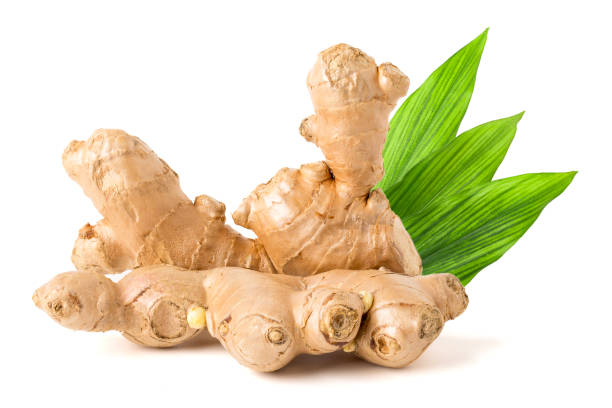
Raw ginger provides the highest concentration of beneficial compounds and can be grated into smoothies, teas, or savory dishes.
Pickled ginger, as seen in sushi restaurants, offers a milder flavor but retains many of the same benefits.
Ginger tea and powdered ginger are also common forms, though more studies are needed to evaluate how these preparations compare to the raw root in potency.
Importantly, consistency matters more than format when it comes to seeing results.
According to the American Heart Association, a modest daily intake of around 500 milligrams can be effective and safe for most adults.
Higher doses may lead to digestive discomfort or interact with medications, especially blood thinners, so always speak with a healthcare provider before starting a supplement regimen.
For those seeking natural ways to protect cardiovascular health, ginger may serve as a supportive complement to a balanced diet and active lifestyle.
Its ability to reduce inflammation, support healthy cholesterol levels, and improve circulation makes it a standout among plant-based remedies.
At 8fit, we encourage an approach to wellness that integrates both science-backed nutrition and mindful living.
The power of whole foods like ginger lies not only in their individual benefits but also in how they can inspire more intentional, nourishing choices.
Whether you’re adding a teaspoon of grated ginger to your morning tea or stirring it into a comforting soup, small actions can have a lasting impact.
If you’re interested in exploring more natural ways to enhance your health, we also recommend this “YouTube breakdown by Dr. Eric Berg“, which explains how ginger interacts with insulin sensitivity and inflammation at a cellular level.
When we look closely at the everyday ingredients in our kitchens, we often discover they hold remarkable potential.
Ginger is a perfect example—a simple root with extraordinary health benefits waiting to be unlocked.
Would you like some easy, ginger-forward recipes you can incorporate into your week?