
re beginning to understand that mental strength may depend on something as small — and as powerful — as our gut microbiome.
In a groundbreaking study published in Nature Mental Health, researchers at UCLA found that individuals with high stress resilience share common traits in both their brain structure and the activity of their gut microbes.
Those with strong psychological resilience had more anti-inflammatory microbial metabolites and better gut barrier integrity, indicating that mental health may be more biological — and more modifiable — than once believed.
This emerging science centers on the gut-brain axis, a communication network linking our digestive system and central nervous system.
Through this axis, microbes influence neurotransmitter production and immune responses.
For instance, certain gut bacteria produce serotonin, which plays a major role in regulating mood, and short-chain fatty acids (SCFAs) like butyrate, which strengthen the intestinal lining and reduce inflammation.
When the microbiome becomes imbalanced — a condition known as dysbiosis — these protective processes weaken, making us more susceptible to depression and anxiety.
This connection was explored in depth in a 2022 review published in Frontiers in Immunology that links microbiome composition with psychiatric outcomes.
The implications are profound.
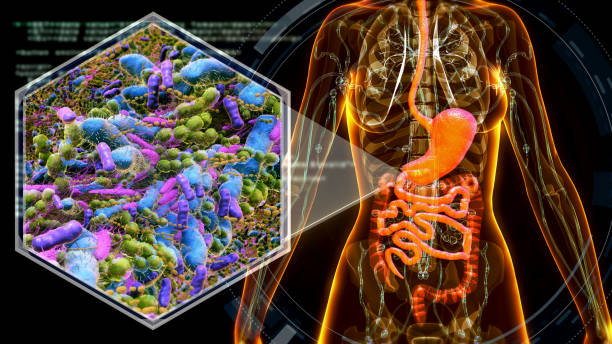
Microbial diversity isn’t just a marker of physical health; it directly affects how we respond to stress.
When diversity declines, leaky gut and inflammation can follow, leading to disruptions in brain chemistry and mood regulation.
Large-scale studies have found that individuals with low levels of beneficial bacteria such as Faecalibacterium and Coprococcus tend to report more anxiety and depressive symptoms.
Moreover, modern factors like the widespread use of antibiotics and consumption of seed oils high in linoleic acid continue to erode microbial balance, compounding stress vulnerability over time.
The good news is that targeted intervention may help.
One promising development involves Akkermansia muciniphila, a beneficial microbe known for supporting gut lining integrity.
Clinical trials are showing that supplementation with high-quality Akkermansia improves metabolic and inflammatory profiles in patients, laying the foundation for broader applications in mental health.
A recent Nature Medicine study found that daily supplementation with this strain led to notable improvements in insulin sensitivity and gut barrier function in individuals with obesity.
But success in microbiome-based therapy isn’t just about taking a pill.
It’s about creating the right environment for these microbes to thrive.
That includes reducing exposure to mitochondrial toxins like seed oils, using formulations with verifiable colony-forming units (CFUs), and choosing supplements with delayed-release capsules to ensure bacteria reach the colon alive.
Lifestyle changes, such as dietary improvements and the strategic use of prebiotics, can further support the ecosystem that nurtures emotional stability.
What we’re witnessing is a potential paradigm shift in how we approach mental health.
Instead of only managing symptoms with pharmaceuticals, researchers are exploring how we can prevent or reduce the severity of disorders by working with — rather than against — our internal ecology.
This holistic lens aligns with growing efforts across science and medicine to personalize treatment and promote resilience from the inside out.
The microbes living in our gut may be microscopic, but their impact on our emotional and psychological wellbeing is anything but small.
As this field evolves, the hope is clear: a future where cultivating a healthier gut might be one of the most effective ways to protect the mind.