
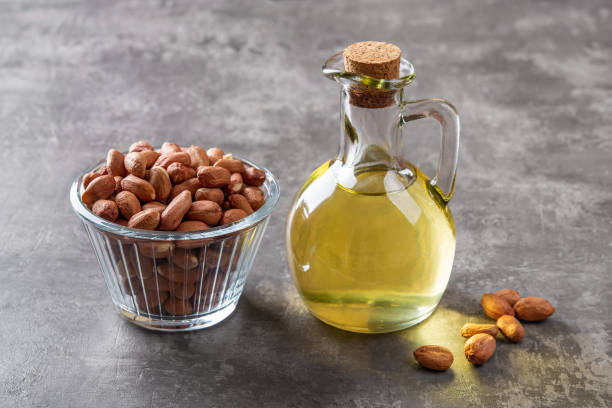
Peanut oil has long held a place in kitchens for its high smoke point and mild, nutty flavor.
But beyond its culinary convenience, this oil offers a nutritional profile that may benefit your heart — when used wisely and in the right form.
Peanut oil is derived from the seeds of Arachis hypogaea through pressing or refining.
It contains about 120 calories per tablespoon, nearly all of which come from fats.
Most of those fats are monounsaturated and polyunsaturated, which are considered beneficial for cardiovascular health when they replace saturated or trans fats in the diet.
A recent analysis published in the Journal of Lipid Research underscores the role of oleic acid, a primary monounsaturated fat in peanut oil, in improving blood lipid profiles and reducing LDL cholesterol.
Because of its composition, peanut oil has often been compared to olive oil in terms of heart benefits, though it contains fewer antioxidants and no fiber.
It does provide vitamin E, a fat-soluble antioxidant that helps protect cells from oxidative stress and supports immune health.
The mild flavor and high smoke point — often over 450°F — make peanut oil particularly suited for stir-frying, sautéing, and deep-frying without breaking down into harmful compounds.
However, not all peanut oils are created equal.
Refined peanut oil undergoes a process that removes allergens, but it also strips out many of the natural antioxidants found in cold-pressed or virgin varieties.
Choosing organic, cold-pressed peanut oil ensures minimal processing and reduces exposure to pesticide residues and potential contaminants like aflatoxins.
Aflatoxins are naturally occurring toxins that can develop in improperly stored peanuts and have been linked to liver toxicity and cancer in long-term exposures.
It’s also important to consider the balance of fats in your overall diet.
Peanut oil is relatively high in omega-6 fatty acids, which, while essential, can contribute to inflammation if consumed excessively relative to omega-3s.
Modern Western diets tend to be skewed heavily toward omega-6 intake, often from processed seed oils, and this imbalance has been associated with increased risk of chronic inflammation and heart disease.
Moderation, therefore, is key.
While peanut oil can be a heart-healthy alternative to more saturated fats like lard or butter, it should be one component in a diet that emphasizes diversity, whole foods, and a proper balance of fatty acids.
It also may not be suitable for those with peanut allergies, although highly refined peanut oil is often considered hypoallergenic due to the removal of proteins.
Still, individuals with allergies should consult a medical professional before incorporating it into their diet.
Peanut oil’s legacy as a versatile, affordable, and largely beneficial cooking oil continues to evolve with new research and growing consumer awareness.
When chosen wisely and used as part of a balanced diet, it can contribute to healthier cooking and support cardiovascular function — making it more than just a pantry staple, but a functional food with a thoughtful place in modern nutrition.