
For decades, heart disease has held its place as the leading cause of death worldwide, with many people relying on pharmaceutical drugs to manage symptoms rather than address root causes.
But a growing body of research is now pointing toward a more powerful, natural solution—one that has quietly existed for centuries along the sun-drenched shores of the Mediterranean.
A study published in Food Bioscience confirms that six traditional Mediterranean plants—garlic, hawthorn, saffron, olive, rosemary, and grape—are rich in bioactive compounds that not only support heart health but do so more effectively than many common medications, and without the side effects often associated with prescription drugs.
The researchers, working collaboratively from Spain, Chile, and Cuba, explored how these plant compounds impact cardiovascular health through multiple biological pathways.
Garlic, for example, contains allicin and diallyl trisulfide, which have been shown to relax blood vessels and reduce arterial plaque.
Hawthorn’s flavonoids help dilate blood vessels and reduce inflammation, mimicking the effects of blood pressure medications.
Saffron offers antioxidant protection, while rosemary’s rosmarinic acid reduces oxidative stress.
Grapes, particularly red grapes and wine, contain resveratrol—a compound that improves circulation and arterial flexibility.
And olive oil, long celebrated in Mediterranean cuisine, has demonstrated consistent success in clinical trials for lowering inflammation and improving blood pressure.
What sets these superfoods apart from conventional drugs is their synergy.
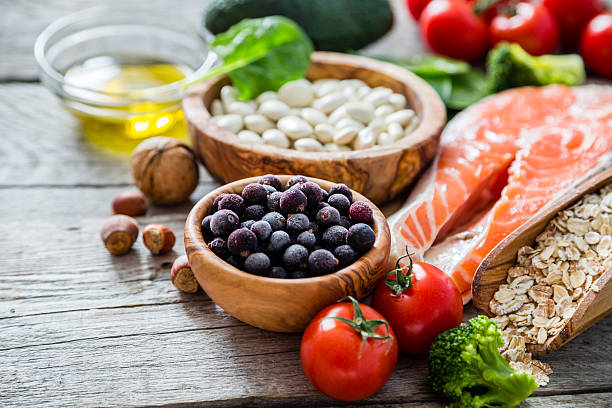
In the Mediterranean diet, ingredients are often combined in ways that enhance their health benefits.
Pairing olive oil with leafy greens, for instance, boosts nitric oxide levels far more than consuming either alone.
Garlic combined with omega-3-rich fish amplifies triglyceride reduction, offering more comprehensive cardiovascular protection than isolated drug therapies.
This integrative approach reflects centuries of lived experience in Mediterranean regions, where people have consistently lower heart disease rates despite similar cholesterol levels to those in Western nations.
Scientific validation has begun to catch up with these long-standing dietary traditions, making it clear that food can indeed be medicine.
These findings call into question the overreliance on pharmaceuticals as the primary defense against heart disease.
While medications play a critical role for many, their purpose is often reactive rather than preventative.
Superfoods, on the other hand, actively support the body’s ability to regulate blood pressure, cholesterol, and inflammation from the inside out.
This doesn’t mean people should abandon medical guidance.
But it does highlight an opportunity to rebalance the conversation around heart health—placing greater value on dietary and lifestyle interventions that have stood the test of time and now enjoy robust scientific backing.
Incorporating Mediterranean superfoods into your routine can be simple.
Drizzle extra virgin olive oil on vegetables.
Use garlic in soups, dressings, or marinades.
Add grapes to your breakfast or enjoy a glass of red wine in moderation.
Saffron and rosemary can be used to season rice, stews, or roasted vegetables.
These aren’t exotic supplements or fad diets—they’re accessible, flavorful, and grounded in both history and evidence.
Ultimately, the most effective healthcare begins at the dinner table.
While Big Pharma continues to develop synthetic alternatives, many of the solutions we seek are already on our plates, waiting to be rediscovered.
By understanding the full potential of natural foods, we not only protect our hearts but also reclaim our health with confidence and clarity.
The Mediterranean diet is more than a trend.
It’s a blueprint for longevity, vitality, and prevention—built not in a lab, but in the kitchen.