
Flexibility is more than just being able to touch your toes.
It’s a vital part of physical well-being that supports movement, posture, and even mental health.
As we age or spend more time seated, our bodies naturally become less mobile.
But there’s good news: yoga offers a gentle, accessible way to restore and improve flexibility at any stage of life.
Many people begin yoga to relieve tight muscles or back discomfort.
But as you commit to a regular practice, you may also notice broader improvements.
Stretching through yoga not only loosens the body, but also supports stress relief, posture alignment, and circulation.
In fact, research shows that yoga can significantly improve flexibility and joint health over time.
Each of the eight poses highlighted here supports flexibility in a different part of the body—your back, hips, shoulders, core, or neck.
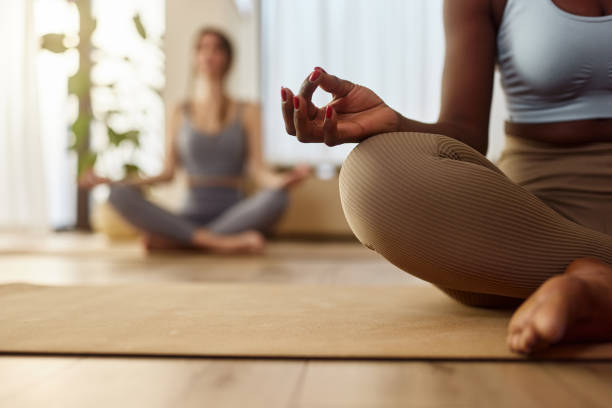
For example, poses like Janu Sirsasana (head-to-knee) gently stretch the spine and hamstrings while calming the mind.
The Low Lunge opens the hip flexors, which often become tight from long periods of sitting.
Meanwhile, the Cow Face pose is especially effective for improving shoulder mobility and counteracting poor posture.
One of the keys to practicing these poses effectively is pacing yourself.
Yoga is not about pushing through pain or contorting your body to match a perfect image.
Instead, it’s about tuning into what feels accessible and useful to you.
You can use props such as blocks, cushions, or chairs to support your body and make the poses more comfortable.
Yin and Hatha yoga are especially good for beginners looking to build flexibility gradually and safely.
Safety should always be your priority.
If you experience pain during any pose, it’s essential to back off and reassess.
Overstretching can lead to injury and hinder progress.
Start by holding each position for just a few seconds if needed.
With consistency, you’ll likely notice improvements in how deeply you can stretch and how freely you can move.
Flexibility can also benefit your emotional health.
Studies show that stretching and mindful movement reduce cortisol levels and promote relaxation.
The combination of deep breathing and gentle movement in yoga can activate your parasympathetic nervous system, helping you feel calmer and more grounded.
If you’re new to yoga or living with physical limitations, adaptive yoga might be a perfect starting point.
Adaptive yoga allows you to modify each pose according to your ability, often using chairs or props for support.
It’s a powerful reminder that yoga isn’t about perfection—it’s about finding balance and mobility in your own way.
For a deeper understanding of adaptive practices, this provides accessible and empowering modifications.
Whether you’re working on touching your toes, easing shoulder tension, or simply taking more mindful breaths, yoga meets you where you are.
With time and patience, it invites you to move more freely, breathe more deeply, and feel more at home in your body.
Stay flexible, stay kind to yourself, and enjoy the journey.